
Illustration of molten aluminum being poured into a casting mold at an industrial foundry
Aluminum
Posted

Aluminum Imports After October 1: Collect Smelt and Cast Data Before Shipping

Country of origin alone is no longer enough for the import-time reporting of many aluminum shipments under General Import Permit No. 83. Effective October 1, 2026, covered goods require the country of most recent cast; goods containing primary aluminum also require the country of largest smelt and, if any, second-largest smelt. Global Affairs Canada's Notice 1170 distinguishes these production stages from shipping location and sets out supporting recordkeeping obligations. The $5,000 and qualifying CSA exceptions apply to import-time reporting—not a blanket exemption from the permit's other conditions.

What to do now

  • Check the official HS-code coverage before deciding whether GIP 83 applies to a product.
  • Obtain smelt and cast information from suppliers and pass the required data to your customs team before the Single Window declaration is submitted.
  • Retain the records required by Notice 1170 for six years after the year of importation, including whether goods contain primary or secondary aluminum.
Global Affairs Canada — Notice 1170
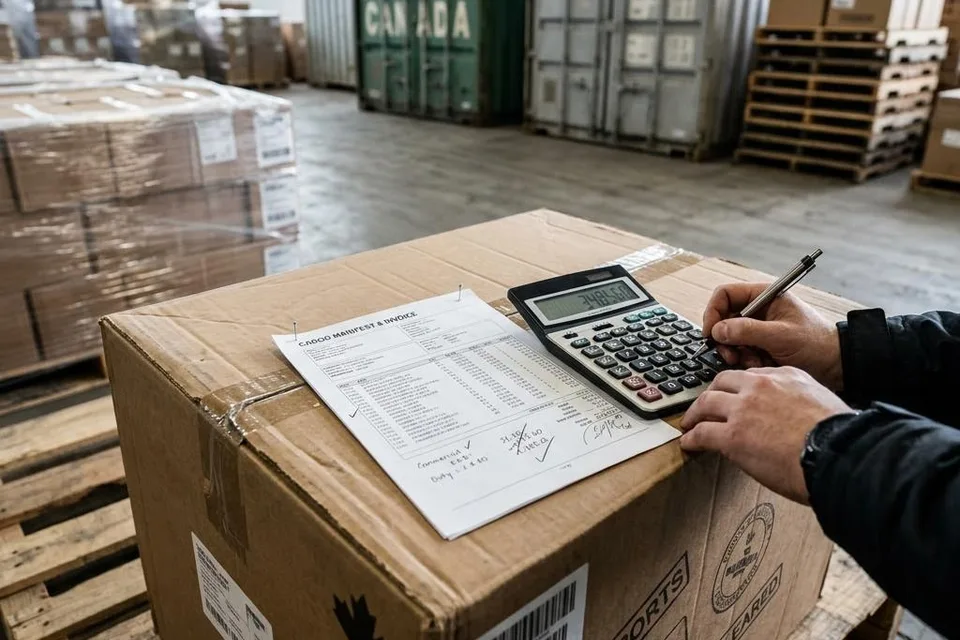
Illustration of a calculator and shipping invoice used to assess import costs beside palletized cargo
Trade Policy
Posted

U.S.-Origin Goods: Check the September 2026 Surtax Before You Quote

Canada's United States Surtax Order (2026) introduced rates of 15%, 25% or 50% for certain listed U.S.-origin goods from September 8, 2026. This is not a single rate on every U.S. shipment. Coverage depends on tariff classification, origin under the marking rules, and any applicable exemption. CBSA also states that the surtax can apply below ordinary de minimis thresholds and when U.S.-origin goods are shipped through a third country. Build landed-cost estimates from the current order and product list—not an assumed tariff phase-out or a supplier's shipping address.

What to do now

  • Match each product's tariff item against the current official list and establish its origin with supporting evidence.
  • Calculate any applicable surtax on value for duty and check the interaction with other measures and exemptions.
  • Review Duties Relief or Duty Drawback eligibility separately; relief is conditional and should not be treated as an automatic refund.
CBSA — Customs Notice 26-23
Illustration of a warehouse worker checking a digital shipment checklist on a tablet beside cargo
CARM
Posted

CARM Readiness: A Pre-Shipment Checklist for Canadian Importers

A shipment should not be the first test of your importer setup. The CBSA checklist updated September 17, 2026 calls for CARM registration, a business number and an import program account before importing. Using a customs representative also requires delegation of authority in the portal. Release Prior to Payment is a separate choice with its own enrolment and financial-security requirements. Check both account access and shipment data before goods leave the supplier; having a portal login does not establish classification, admissibility or the correct duty treatment.

What to do now

  • Confirm your CARM registration, BN9 and import program account are ready, and verify any required delegation of authority.
  • If using Release Prior to Payment, confirm enrolment and the required financial security before relying on that release option.
  • Check permits, the 10-digit tariff classification, origin, value for duty and supporting invoices for the actual goods being shipped.
CBSA — Commercial Importing Checklist
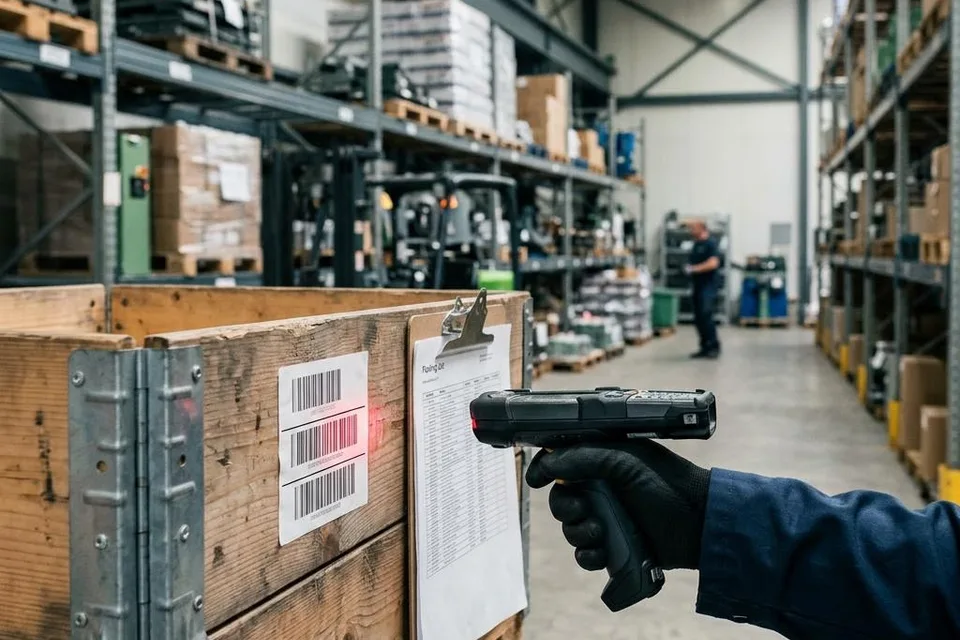
Illustration of a freight shipment label being scanned and checked against its packing list
Compliance
Posted

CBSA Verification Priorities: What to Review in Your Import File

The CBSA's published priorities, updated July 2026, identify areas including automotive CUSMA origin, other preferential-origin claims, supply-managed goods, surtax measures and GST or excise treatment. The list is risk-based and can change throughout the year; being absent from it does not remove an importer's obligations. Use the published priorities to focus a documented review of your own entries. Check that the evidence behind your declarations supports the classification, origin, value for duty and tax treatment you have claimed.

What to do now

  • Compare the official priorities with your commodities, claimed tariff preferences, surtaxes and tax-exemption codes.
  • Keep product specifications, origin evidence, valuation support and a clear rationale for the declarations you make.
  • Investigate discrepancies and obtain shipment-specific advice on any corrections or other action required.
CBSA — Trade Compliance Verification
Illustration of commercial trucks crossing a suspension bridge on a North American trade corridor
Trade Policy
Posted

Canada–U.S. Trade Outlook: Planning for Policy Changes

Trade policy can change faster than purchasing contracts and supply chains. A resilient import strategy separates rules already in force from proposals and negotiations. Understanding your products' classification, origin and duty exposure gives your business a stronger basis for pricing, sourcing and contingency planning—without depending on predictions about future agreements.

What to do now

  • Build flexibility into sourcing and pricing decisions instead of assuming a particular policy outcome.
  • Use official government guidance to confirm the treatment of goods before committing to a shipment.
Government of Canada — Tariffs, Rules and Regulations
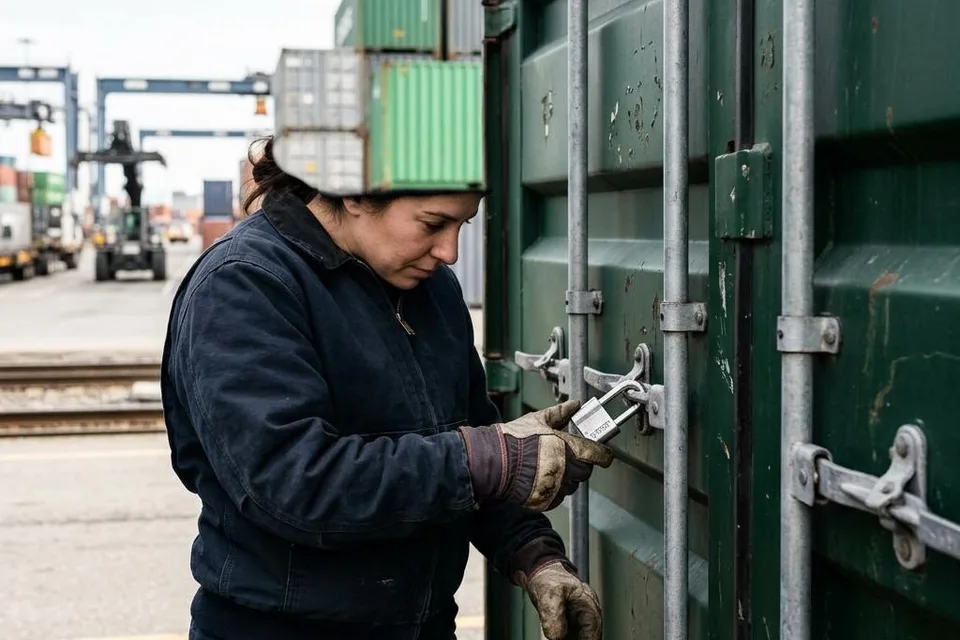
Illustration of a logistics worker checking the security seal on a shipping container
Compliance
Posted

Customs Compliance: Reducing the Risk of Errors and Penalties

Customs compliance is an ongoing business process, not a final check at the border. Consistent product information, clear internal responsibilities and reliable supporting records help reduce avoidable errors. A periodic review of classification, origin and valuation can identify issues before they become recurring problems across an import program.

What to do now

  • Assign responsibility for maintaining product and supplier information.
  • Review recurring discrepancies and keep a documented process for resolving them.
CBSA — Trade Compliance Verification
Illustration of shipping documents, a technical product drawing and a valve sample used for tariff classification
Trade Policy
Posted

Managing Landed Costs When Tariffs Change

The supplier's invoice is only one part of an import's total cost. Customs duties, applicable surtaxes, taxes, freight and other charges can affect margins. A clear landed-cost model helps purchasing and finance teams compare sourcing options and understand how changes in classification, origin or tariff treatment could affect the business.

What to do now

  • Keep duty assumptions separate from freight and other commercial costs.
  • Revisit cost estimates when products, suppliers or applicable trade measures change.
CBSA — Determining Duties and Taxes
Illustration of automotive transmission housings moving along a manufacturing production line
CUSMA
Posted

CUSMA: Understanding Preferential Origin Requirements

Buying from a North American supplier does not, by itself, establish eligibility for preferential tariff treatment. Origin depends on the applicable agreement and product-specific rules, supported by the required evidence. Treat origin documentation as part of supplier management, and revisit the claim when production processes, materials or sourcing arrangements change.

What to do now

  • Distinguish the country of shipment from the origin of the goods.
  • Confirm that any preferential tariff claim is supported by the relevant rules and documentation.
CBSA — Origin and Preferential Tariff Guidance
Illustration of organized shipment-record binders and customs documentation in an archive
Compliance
Posted

Building an Audit-Ready Import Program

Being ready for a customs verification starts with everyday recordkeeping. Your import records should explain what was declared, why that treatment was chosen and what evidence supports it. Bringing product, purchasing and accounting information together makes it easier to answer questions consistently and identify gaps across the business.

What to do now

  • Keep declaration records connected to the documents that support them.
  • Review your import program against the CBSA's current verification priorities.
CBSA — Trade Compliance Verification
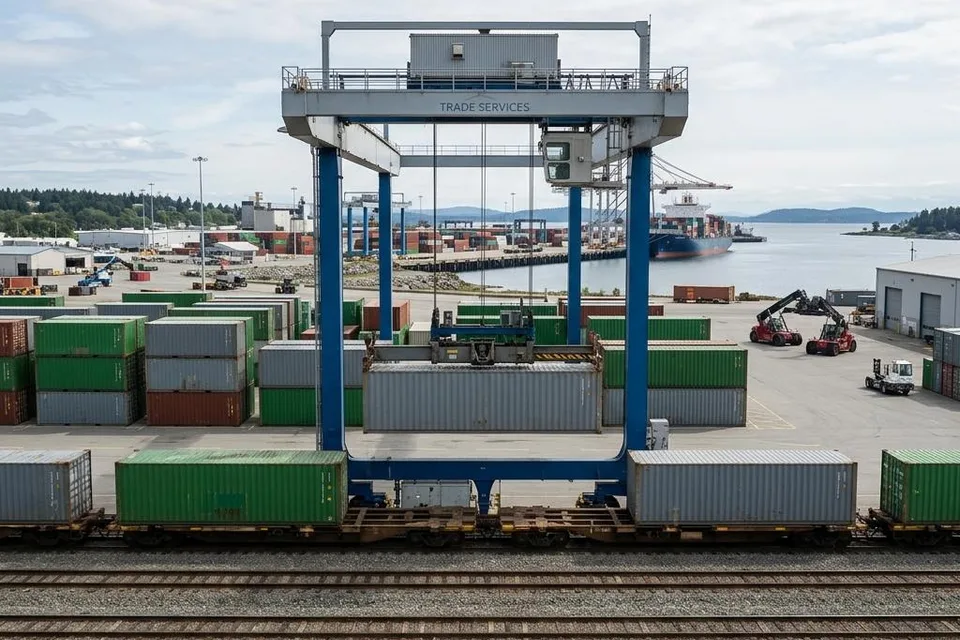
Illustration of shipping containers being transferred between a freight train and an intermodal terminal
Regulation
Posted

Environmental Trade Requirements: Preparing Your Supply Chain

Environmental requirements can influence cross-border sourcing, product information and market access. Businesses should distinguish the rules of each destination market from proposals still under discussion. Maintaining clear supplier and product records—and checking the applicable requirements before goods move—supports better planning without assuming that another country's framework applies in Canada.

What to do now

  • Identify which jurisdiction's rules apply to each trade route.
  • Confirm whether a measure is proposed or in force before changing your compliance process.
Government of Canada — Tariffs, Rules and Regulations
Illustration of import-account receipts being matched to an itemized digital account statement
CARM
Posted

CARM: Managing Import Accounts with Confidence

CARM account management is an operational responsibility that benefits from clear ownership. Businesses should know who manages portal access, who monitors account activity and how their customs representatives are authorized. Aligning these responsibilities with shipping and finance processes helps keep import administration organized as staff, suppliers and service providers change.

What to do now

  • Keep account access and delegation arrangements aligned with your business needs.
  • Include CARM administration in your regular import-process review.
CBSA — Commercial Importing Checklist
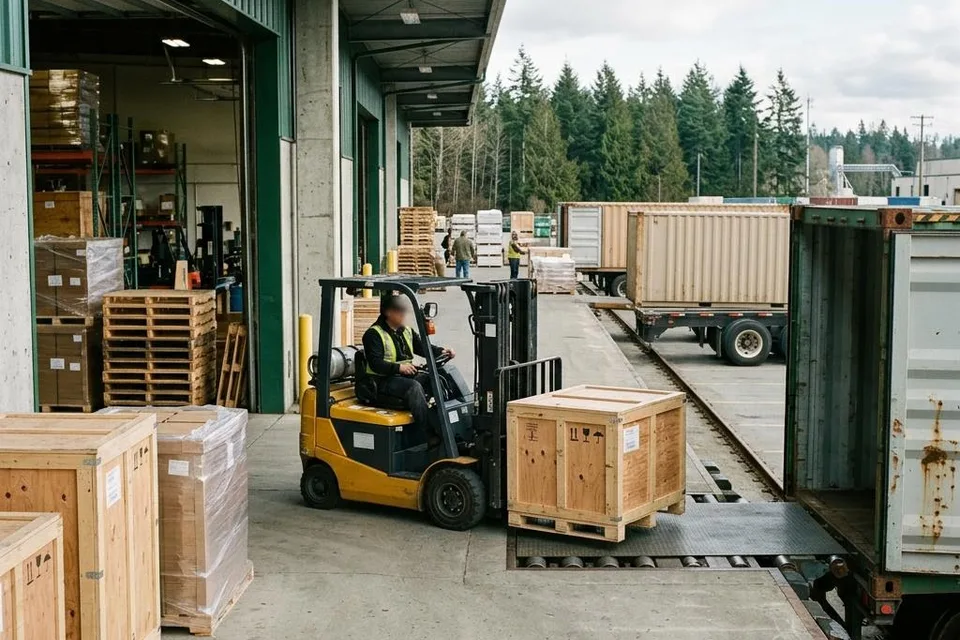
Illustration of wooden export crates and wrapped pallets being dispatched into a freight container
Duty Savings
Posted

Duty Drawback: Identifying Potential Recovery Opportunities

Businesses that import goods and later export them, or use imported inputs in goods for export, may have opportunities to recover eligible duties. Recovery depends on the program rules and the circumstances of the goods. A structured review of import, inventory and export records can help establish whether a claim is worth investigating.

What to do now

  • Connect import records with the relevant inventory movements and export evidence.
  • Confirm eligibility, restrictions and filing requirements before assuming a recovery is available.
CBSA — Duty Drawback Program
Illustration of imported product samples arranged for identification and tariff classification
Classification
Posted

HS Classification: Keeping Your Product Catalogue Accurate

Tariff classification should reflect the goods themselves, not simply a familiar description or a supplier's suggested code. Product composition, function and technical characteristics can all matter. Maintaining a reviewed product catalogue provides a consistent starting point for declarations, costing and the assessment of applicable trade measures.

What to do now

  • Review classifications when a product's materials, design or function change.
  • Use the applicable Customs Tariff and retain the reasoning behind classification decisions.
CBSA — Canadian Customs Tariff
Illustration of an industrial gearbox component beside its technical classification documentation
Trade Compliance
Posted

What Makes a Strong Classification File?

A useful classification file explains both the product and the decision. Clear descriptions, technical specifications and a documented rationale make it easier to apply a classification consistently and revisit it when circumstances change. Keeping that information accessible helps your team respond to questions without rebuilding the analysis from scratch.

What to do now

  • Keep product specifications and the classification rationale together.
  • Seek clarification or consider a ruling when the correct treatment is uncertain.
CBSA — Classification and Rulings Guidance

General information, not shipment-specific advice. Official rules and product coverage can change; check the linked sources before making an import decision.

Questions About Any of These Topics?

Our licensed brokers track every regulatory development and are available to advise on CARM, tariff classification, CUSMA, duty drawback, and more.

Explore Your Options