
International Trade News
Verified Canadian customs and trade developments, with official sources and practical implications for your business.
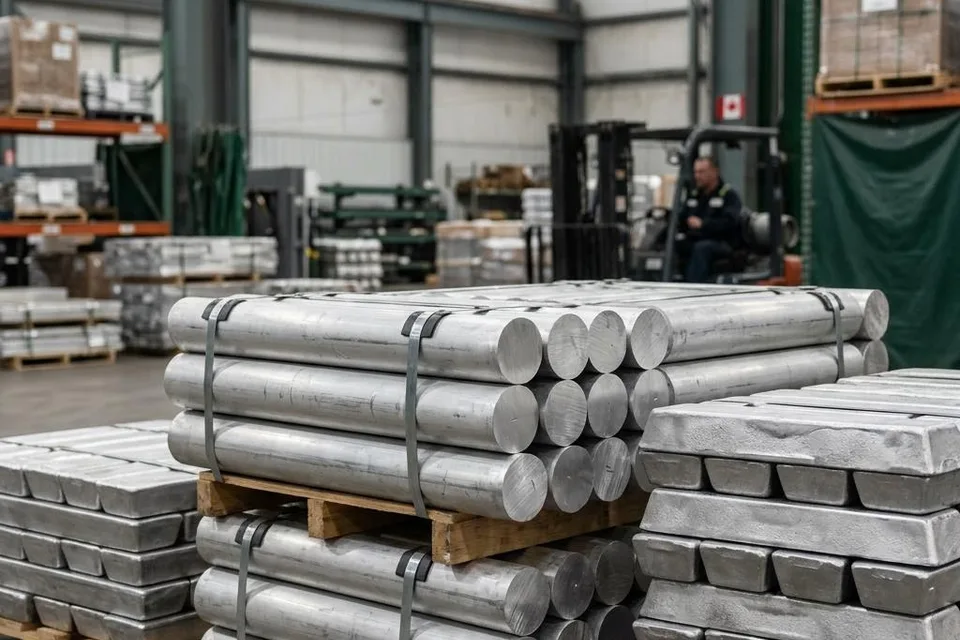
Aluminum Imports: Smelt and Cast Reporting Requirements Now in Effect
Amendments to General Import Permit No. 83 require smelt and cast information for covered aluminum products from October 1, 2026. For goods containing primary aluminum, importers must report the country of largest smelt and, if any, second-largest smelt; the country of most recent cast is required for all covered goods. The import-time reporting requirement has exceptions for covered goods with a total value for duty of $5,000 or less and qualifying CSA releases. Global Affairs Canada's Notice 1170 also sets out the supporting recordkeeping requirements.
Global Affairs Canada — Notice 1170 Discuss Your Trade Needs
CBSA Importer Checklist Sets Out CARM and Pre-Shipment Steps
The CBSA's updated commercial-importing checklist brings together the steps to complete before goods move: register in CARM, obtain a business number and import program account, check admissibility, establish classification and origin, and collect required documents. Importers choosing Release Prior to Payment must enrol in that sub-program. Businesses using a customs representative must also delegate the appropriate authority in the CARM Client Portal. The checklist is a useful operating reference, not a replacement for legislation.
CBSA — Commercial Importing Checklist Discuss Your Trade Needs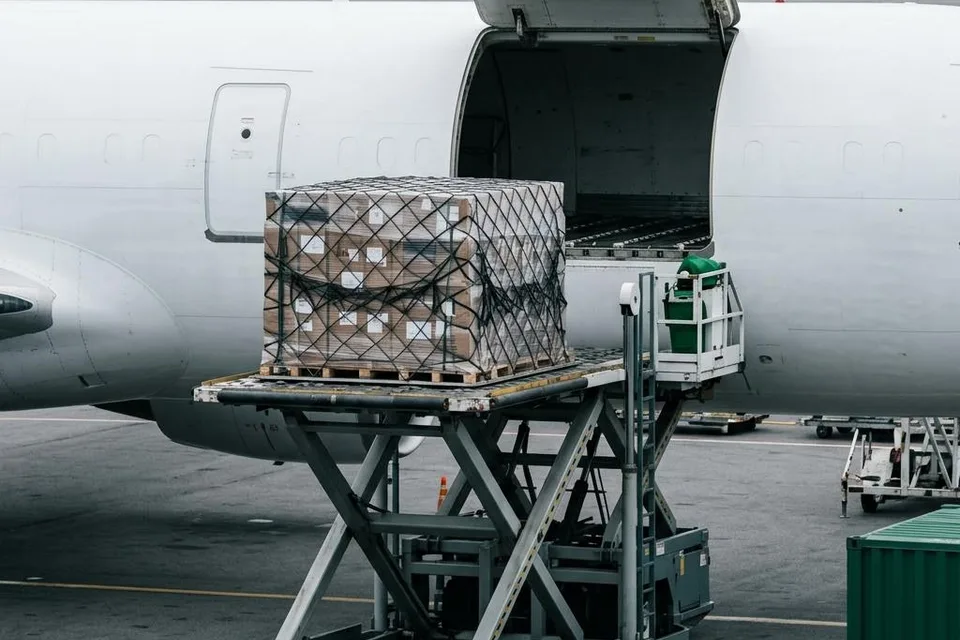
CLVS Participants May Use Non-PIP Third-Party Air Carriers
Customs Notice 26-24 allows authorized Courier Low Value Shipment participants to use third-party air carriers that are not Partners in Protection certified, effective immediately. The exception addresses air-capacity constraints; third-party carriers must still be bonded and present shipments at the designated sufferance warehouse. Authorized CLVS participants must maintain their own active PIP certification in the air mode. This is a targeted operational exception, not a removal of all CLVS security requirements.
CBSA — Customs Notice 26-24 Discuss Your Trade Needs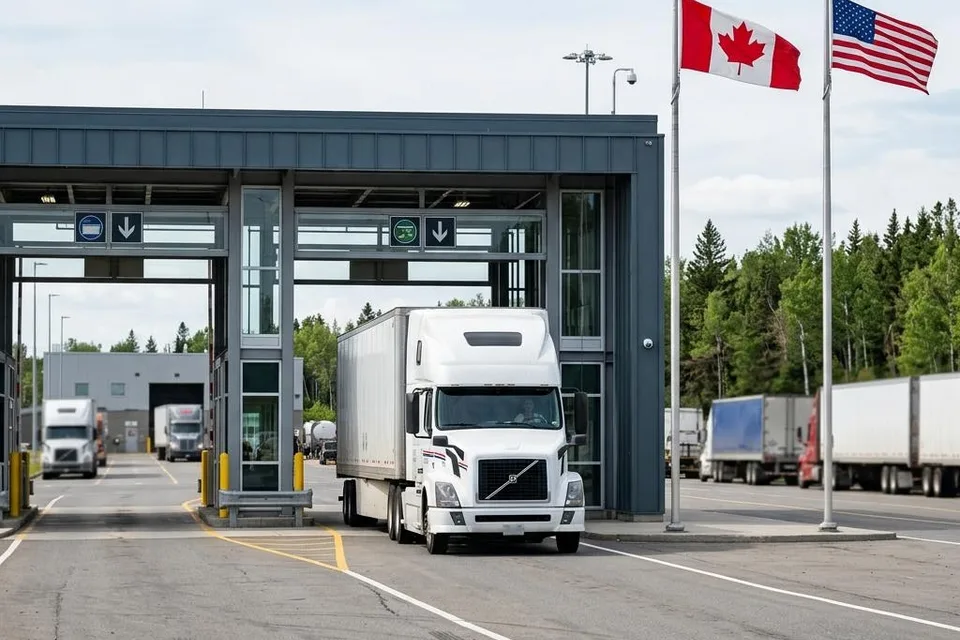
Certain U.S.-Origin Goods Subject to 15%, 25% or 50% Canadian Surtax
The United States Surtax Order (2026) applies a product-specific surtax of 15%, 25% or 50% of value for duty to certain U.S.-origin goods imported into Canada from September 8, 2026. Coverage depends on the listed tariff item and the origin rules for marking; routing a shipment through another country does not by itself remove the surtax. CBSA guidance confirms that the surtax can also apply to goods below ordinary de minimis thresholds. Importers should consult the current product list and applicable exemptions before calculating landed cost.
CBSA — Customs Notice 26-23 Discuss Your Trade Needs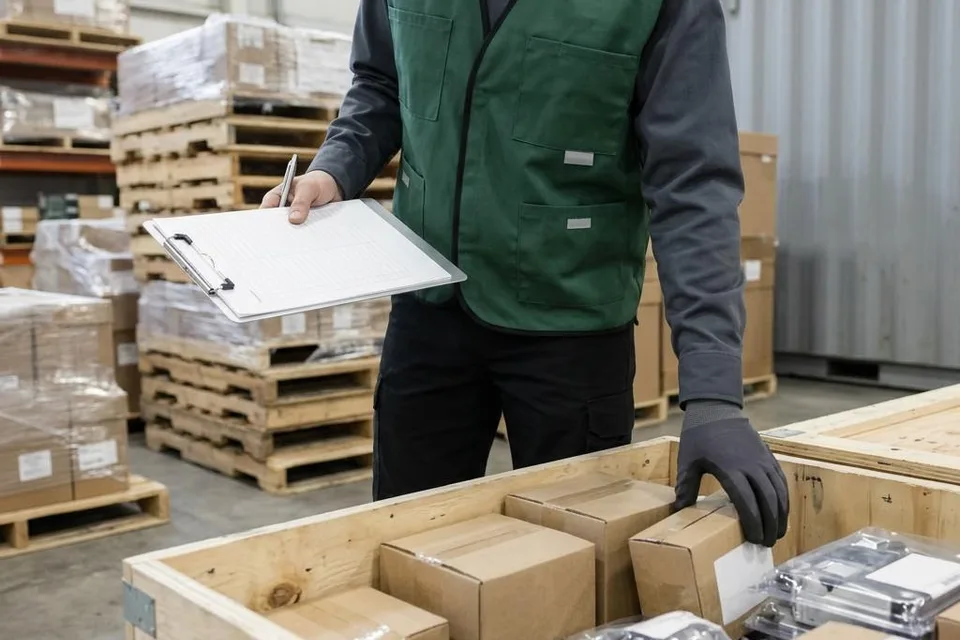
CBSA Verification Priorities Include Origin, Surtaxes and Tax Treatment
The CBSA's July 2026 priorities include automotive CUSMA origin, origin claims under CETA and the Canada–UK Trade Continuity Agreement, CPTPP short-supply products, supply-managed goods, GST exemption codes, excise duties and surtax measures. The agency describes its verification process as risk-based and evergreen: priorities can be added or changed during the year. Businesses should review the full current list against their own products and retain the evidence supporting classification, origin, valuation and tax treatment.
CBSA — Trade Compliance Verification Discuss Your Trade NeedsRates and requirements can change; consult the linked official sources and confirm the treatment of your specific shipment before importing.
How Do These Changes Affect Your Business?
Our licensed brokers track every regulatory development and can advise you on what actions to take for your specific commodities and trade lanes.